1 Day Thredbo Snow Adventure
23 hours
From AUD $169
Thredbo is Australia's highest village and premier alpine resort — winter skiing with 50+ runs and 672 m vertical, summer hiking to Mount Kosciuszko and a downhill MTB park.
Thredbo is the highest village in Australia and the country''s premier all-season alpine resort. In winter it''s a snowfield with 14 lifts and 50+ ski runs, the longest descent on the mainland, and a village that genuinely feels like a Tyrolean ski town. In summer it''s the trailhead for the Mount Kosciuszko walk, a downhill mountain-bike park considered the best in the southern hemisphere, and a fly-fishing base for the Thredbo and Snowy Rivers. Our editor Hannah has been chasing snow here since the early 2010s — this page is the guide we wish we''d had on our first trip.
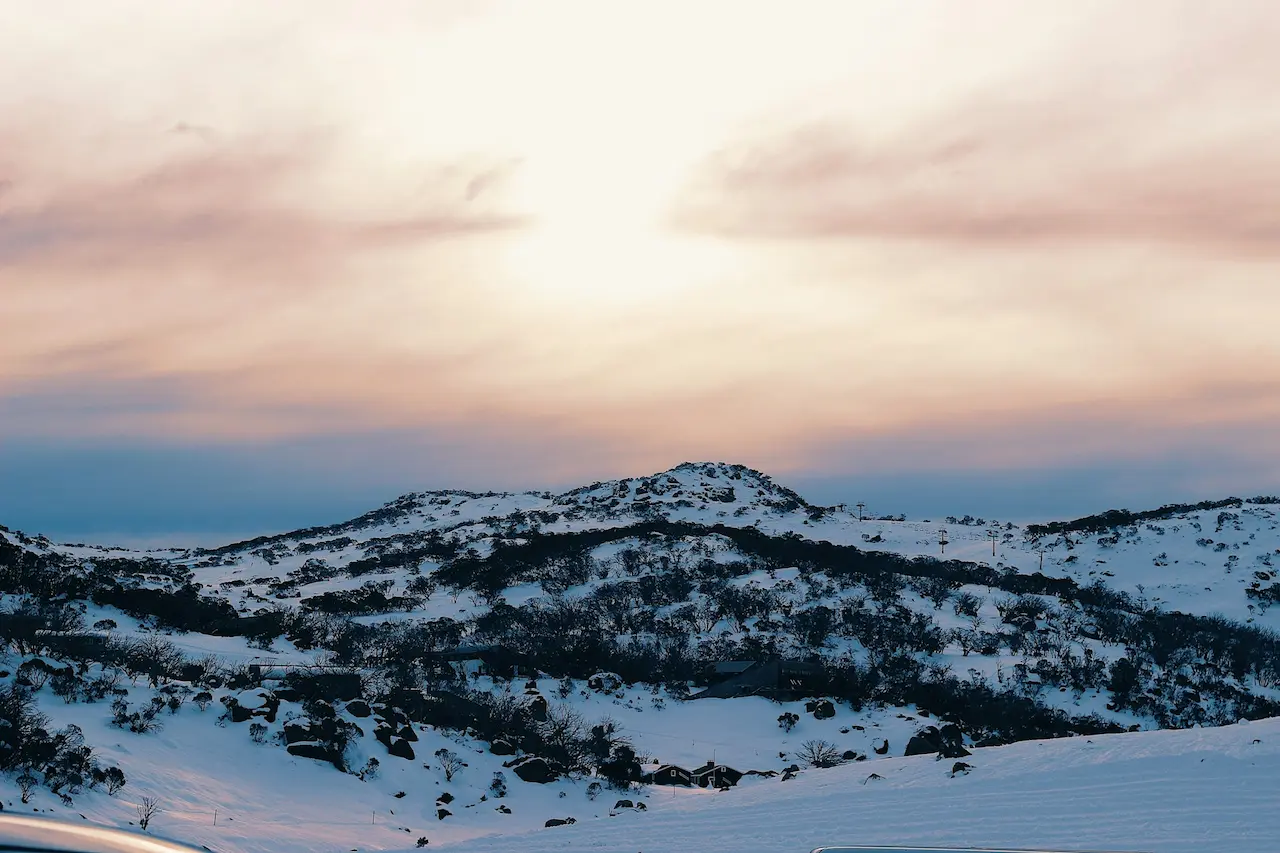
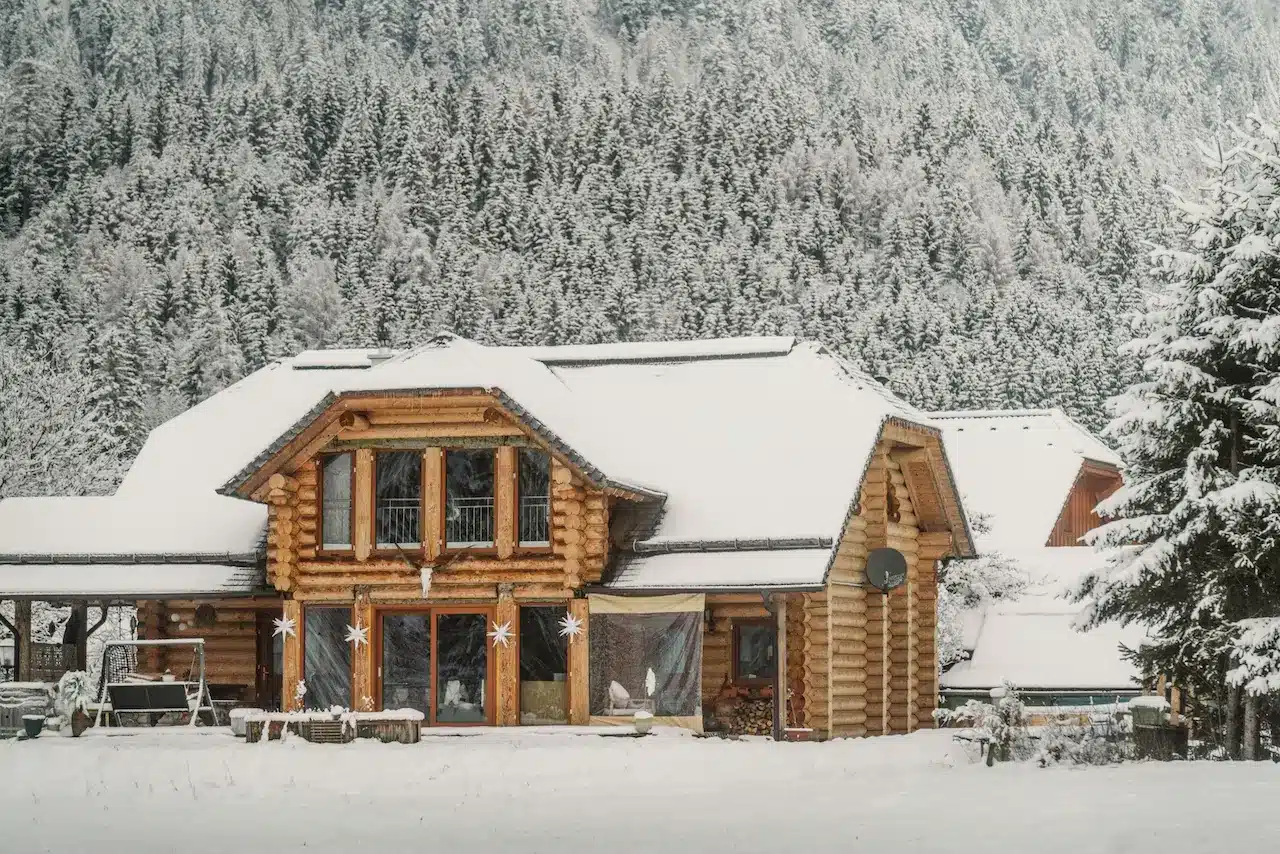
The village sits at 1,365 metres in a glacial valley below Crackenback Mountain. It''s compact — you can walk end-to-end in 15 minutes — and everything orbits the Friday Drive, the Alpine Way bridge over the Thredbo River, and the chairlift base stations at the eastern end. Architecturally it''s a deliberate alpine-village pastiche from the 1960s redevelopment, all timber beams and steep-pitched roofs, and it works. There are no chain hotels, no high-rise apartments, and almost no cars during winter — you walk in snow boots from lodge to lift, with your skis on your shoulder.
The four main streets to know: Friday Drive (most lodges and apartments), Diggings Terrace (the older guest-house strip), the Avenue (above the valley with the chalet-style places) and Schuss Street (the newer condos near the Kosciuszko Express). The village square has the bakery, the supermarket, a couple of pubs, the post office and the ski school check-in. That''s the whole town.
Thredbo has the longest vertical drop of any Australian resort — 672 metres top to bottom — and the longest run is 5.9 km from the top of Karels T-bar down through Dead Horse Gap. The terrain splits roughly 25% beginner, 40% intermediate, 35% advanced. Beginners learn on Friday Flat, a wide gentle slope reached by a magic carpet just outside the village. Intermediates spend their time on the high-altitude bowls accessed by the Kosciuszko Express. The expert terrain is the Western Faces — a steep, exposed series of chutes below Karels — and the Cruiser run, which has the resort''s biggest natural moguls when it''s been snowing.
The season runs early June to early October, with the best snow usually mid-July to mid-September. Like all Australian resorts, conditions are heavily dependent on snowmaking on the lower runs; the upper mountain (above the Eagles Nest) holds natural snow more consistently. The official resort site publishes a live snow report at 7am daily through the season.
Day lift passes are some of the most expensive in the country — budget around $200 a day in peak season, less midweek or with a multi-day pass. Buy online ahead. Equipment hire in the village runs $60–$90 per day for skis or boards plus boots, and you can leave gear with your hire shop overnight rather than carting it back to the lodge.
Half the people we send here have never been to the snow and never want to — they come for the green season. From early November to early June the village pivots: chairlifts become bike lifts, ski runs become hiking trails, and the alpine wildflower display in December and January is one of the most underrated natural events in Australia.
The marquee summer experience is the Kosciuszko Walk. You take the Kosciuszko Express chairlift up to Eagles Nest at 1,937 m, then walk the 13 km return on a raised steel boardwalk to the summit of Mount Kosciuszko (2,228 m, the highest point on the Australian mainland). It''s not technically difficult — the boardwalk does most of the work — and most reasonably fit walkers do it in 4–5 hours including breaks. The view from the summit on a clear day is straight out across the Main Range to Mount Townsend and beyond. Bring water, sunscreen, a wind jacket and a wool layer regardless of how the village looks when you set out; conditions on the summit can change in minutes.
The downhill mountain-bike park has 25 km of marked trails of every grade. The Kosciuszko Express carries bikes; pay for the bike pass at the same window as the chair pass. Hire bikes are full-suspension; the village shops rent helmets, pads and gloves included.
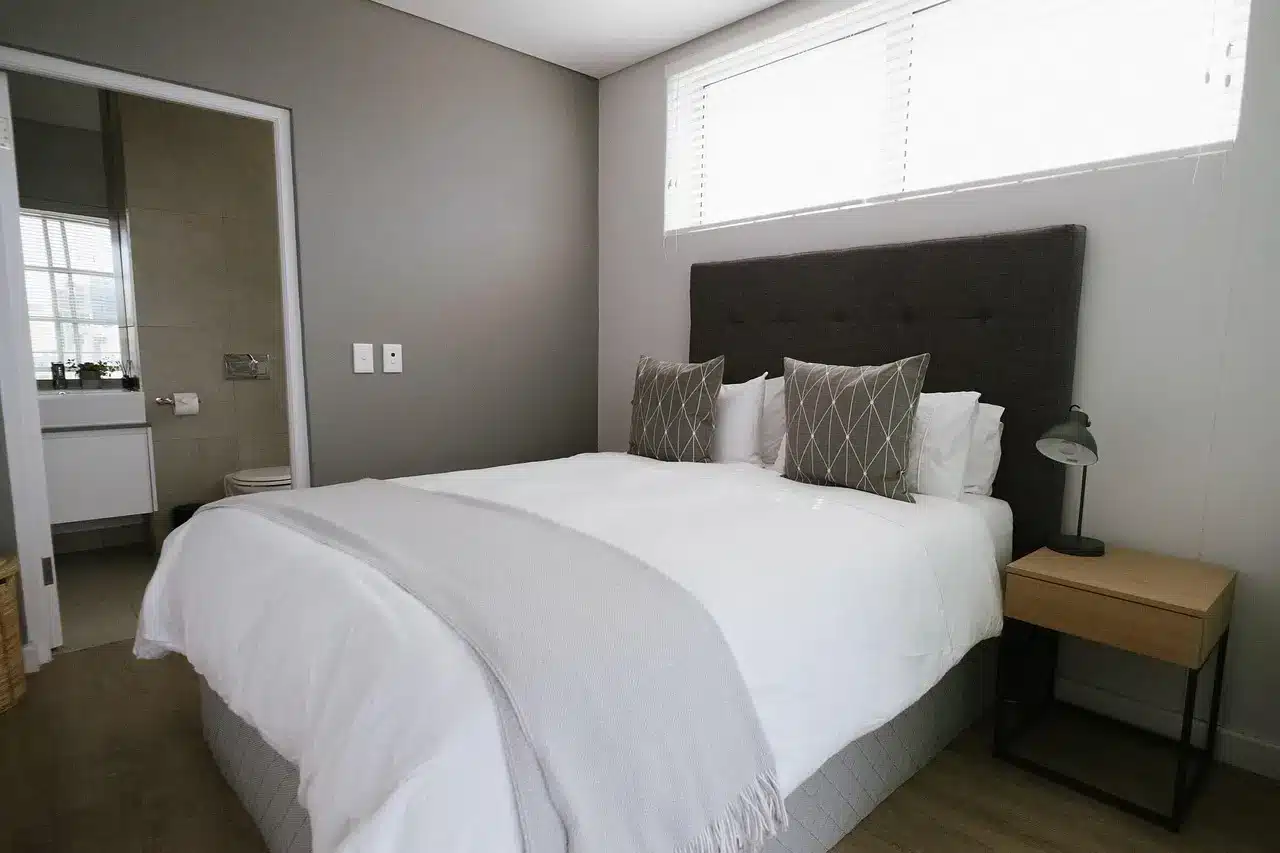
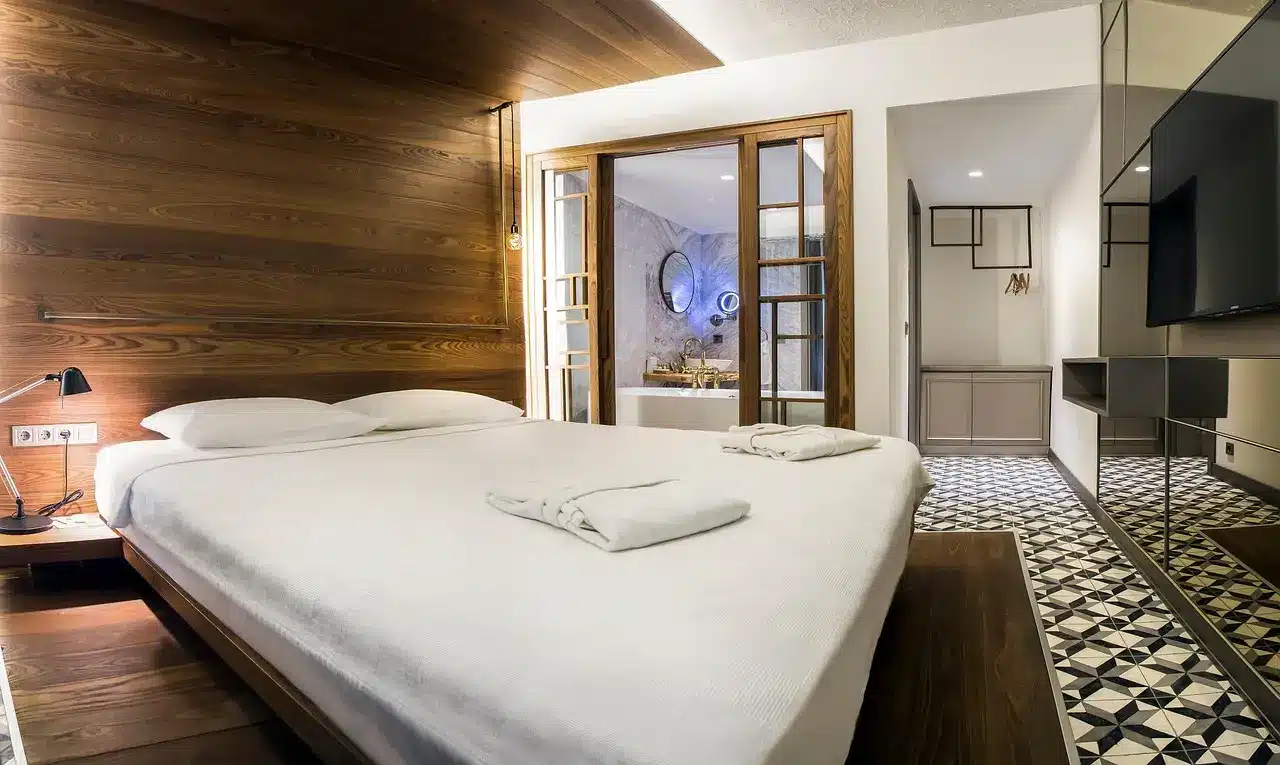
Most accommodation is via lodges and self-contained apartments rather than hotels. The flagship hotel-style option is the Thredbo Alpine Hotel right in the village square; below that price point the village has roughly 60 small lodges and chalets, most family-owned. Lodge accommodation in Australia means private rooms with shared communal areas (dining, lounge, drying room, occasionally a sauna), and is genuinely sociable in a way hotels aren''t. Per-person rates are typically a third of equivalent hotel rooms.
If Thredbo''s village rates are sticker-shock-bad, the workaround is our Jindabyne guide — the lakeside town 35 km down the Alpine Way. Jindabyne is a third of the village price, has a bigger supermarket, more restaurants, and a regular shuttle to the Thredbo lifts. Most repeat visitors split the difference and stay there.
From Sydney it''s a 6–7 hour drive (510 km via the Hume and the Snowy Mountains Highway). Most visitors break the trip at the Canberra area, which is 2.5 hours from Sydney and 2.5 hours from Thredbo. From Canberra Airport you can also hire a car or use a snow-season shuttle service direct to the resort. Don''t underestimate the chains rule between Jindabyne and Thredbo — from mid-June through October NSW Parks and Wildlife require all 2WD vehicles to carry diamond-pattern snow chains on the Alpine Way (chain-hire stations sit on the roadside just east of Jindabyne).
An overlooked option for non-drivers: the Kosciuszko National Park visitor information centre in Jindabyne runs day shuttles that pick up from accommodation. Greyhound''s snow service from Sydney via Canberra still runs on Fridays and Sundays in winter.
The pinch points are NSW school holidays (last two weeks of July, second week of October) and the Queen''s Birthday weekend in early June (the symbolic season opener). For those dates book lodge accommodation a year ahead. Quietest weeks: late June (school not yet out), all of September after the school holidays end, and the entire green season except Christmas/New Year. Our team''s favourite weeks are the first ten days of August (peak natural snow, no school crowds) and the last two weeks of January (wildflowers, summit weather usually settled, river fishing prime).
Thredbo punches well above its weight on food. The Cascades restaurant at the Thredbo Alpine Hotel is the smart-casual headliner; Bernti''s just off the village square is the long-standing après-ski pub with one of the best beer gardens you''ll find in the mountains. For dinner-and-a-bottle the standouts are Altitude 1380 (modern Australian, alpine-themed wine list), the Black Bear Inn (Swiss-Austrian fondue and rösti) and Eagles Nest Restaurant at the top of the Kosciuszko Express (lunch only most days, summit views every minute). Breakfast: skip the lodge buffet and walk to The Knickerbocker Café for the best coffee in the valley.
For the wider region context — including Mount Selwyn, Perisher and the village of Cooma — head to our Snowy Mountains guide. For the lake-based summer stay, see Jindabyne area. And if you''ve never skied before and want a quieter, less expensive introduction, consider one of the smaller resorts further north before committing to Thredbo''s day rates.
Older Australians will associate Thredbo with the 1997 landslide that destroyed two staff lodges and killed 18 people. There''s a memorial garden quietly tucked off the Friday Drive that''s worth a visit if you want to know more — it''s never made the centrepiece of the village. The slope on which the lodges sat has been completely re-engineered and the resort itself was rebuilt around new lodge designs and stricter siting rules. We mention it because visitors sometimes ask, and we''d rather you know than not.
Thredbo isn''t trying to be Aspen and it isn''t pretending to be Whistler. What it is, is the best high-altitude village in Australia with the longest runs, the most diverse summer activities, and an actual ski-town atmosphere — the bakery line at 8am, the boots-on-shoulders walk to the lift, the night-time snowfall lit by streetlamps, the way the Friday Flat fills up with first-day kids by mid-morning. For Australian skiers, it''s the local hill. For walkers and cyclists, it''s the southern hemisphere''s most accessible high-alpine experience. We come back at least once a year, and we book the same lodge the day we leave each time.
If it''s your first ski trip, the cardinal rule is: rent on arrival, don''t buy ahead. Gloves, beanie, thermal base layers (wool or synthetic, never cotton) and waterproof socks are worth bringing — everything else can be hired in the village. Pack two pairs of waterproof gloves, not one: the day-two pair stays in the boot drier overnight while the day-one pair dries out. A small headlamp is unexpectedly useful for walking back from dinner after the village lights dim around 11pm. Sunglasses or ski goggles are non-negotiable; the UV index above the Eagles Nest in winter is higher than most Australian beaches in summer because of altitude and reflected snow.
Live forecast from Open-Meteo. Updated each time the page loads.
Based on 30 years of weather data. Sweet spot: May, Sep, Oct — mild temperatures, low rainfall and plenty of sun. Avoid Feb, Jul if you can — typically the wettest or hottest stretch of the year.
Browse every guide, listing and how-to for Thredbo.