1 Day Perisher Snow Tour
23h 30m
From AUD $190
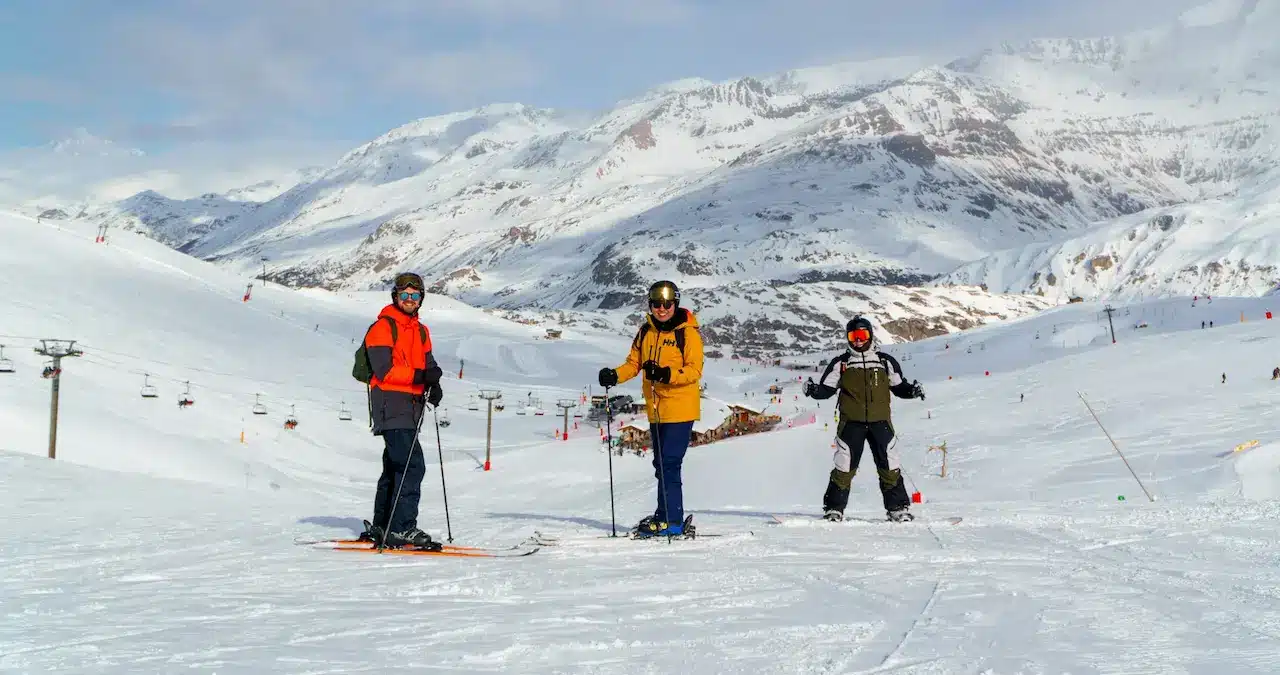
Perisher is the largest ski resort in the southern hemisphere — four villages, 47 lifts, 1,245 hectares of skiable terrain and the Skitube tunnel-train from Bullocks Flat.
Perisher is the largest ski resort in the southern hemisphere by skiable area — a 1,245-hectare interconnected resort spread across four villages and seven peaks, with 47 lifts that move 56,000 skiers and snowboarders an hour at peak. It sits at the western end of Kosciuszko National Park, 35 minutes by car west of Jindabyne or a 10-minute underground train ride from the Skitube terminal at Bullocks Flat. Operated by Vail Resorts since 2015, the resort has the broadest beginner terrain in Australia, more intermediate runs than any other resort in the country, and a vibe that''s noticeably more family-oriented than its smaller, taller neighbour Thredbo.
Our team has been splitting trips between Perisher and Thredbo for years. The short version of how we choose: Perisher for week-long family trips, mixed-ability groups and beginners; Thredbo for short breaks, dedicated skiers and a proper village feel. Both are excellent.
Perisher Valley is the main base — the ticket office, the main day lodge, the rental shops, the big chairlifts up to the high terrain and most of the in-resort accommodation. Smiggin Holes sits a kilometre east and is the family hub: the gentlest beginner slopes in NSW, the cheapest day-lodges, the kids'' ski school. Blue Cow is the high-altitude terminus of the Skitube tunnel-train and has the most consistent natural snow plus the only above-the-tree-line terrain. Guthega is the small, quiet north-facing village that almost nobody outside NSW knows about — mostly self-contained lodges, gentle intermediate runs, the Guthega Pondage for ice-skating on really cold mornings. All four villages are connected by lifts; one ticket covers all of them.
Perisher''s terrain split is roughly 22% beginner, 60% intermediate, 18% advanced — the most intermediate-heavy of any Australian resort. The high-altitude bowls around Blue Cow and the Front Valley above Perisher Valley are the standout intermediate cruising; for advanced skiers, the goods are at Mount Perisher (skiers'' left chair off the top) and the off-piste pockets around Guthega Trig. The terrain park sits below the Mid Station and is the best in NSW.
Lift passes price roughly $190–$230 a day in season; multi-day passes drop the per-day rate substantially. The annual Epic Australia Pass from Vail Resorts is the consensus best-value option for anyone planning more than three ski days — it covers Perisher, Falls Creek and Hotham in Australia plus all Vail''s North American resorts.
The season runs from the Queen''s Birthday long weekend (early June) to the first weekend of October. The most consistent natural snow is from late July through to mid-September. Perisher invests heavily in snowmaking on the lower runs at Smiggin Holes and Perisher Valley, which means the beginner terrain is usually skiable from the first lift day even in low-snow seasons.
The Skitube is the underrated piece of Perisher infrastructure. It''s a dedicated tunnel-train that runs from Bullocks Flat on the Alpine Way up to Perisher Valley (10 minutes) and Blue Cow (16 minutes). It runs every 20 minutes from 6.30am to midnight, all day every day in season, and it removes the need to drive on snow entirely. Parking at the Bullocks Flat terminal is free if you have a same-day lift ticket; otherwise around $20 a day. Return adult tickets without a lift pass cost roughly $50; with a lift pass they''re included.
For day-trippers from Jindabyne or Cooma, the Skitube is the only sensible way in — you skip the chain-up routine, the 28-km mountain road and the carpark hunt. The train carries skis, snowboards and luggage. It''s also the only way to get to the Blue Cow village; there''s no public road.
The Perisher Snowsports School is the largest in the country with around 600 instructors during peak season. Group lessons start at $135 per half-day for adults, less for kids; private lessons start at $370 per hour for one-on-one and scale up by participant. The First Time Package — lift ticket, equipment rental and a half-day group lesson at Smiggin Holes — is the cheapest way to learn to ski or board in Australia at around $220 all-in. Book online a week ahead.
Equipment rental is available at every village. The Smiggin Holes rental shop has the best capacity for beginners. Boot fitting is unhurried; if you have problem feet, ask for the in-house Boot Doctor at the Perisher Valley shop — the only certified boot-fitter in NSW.
Most non-NSW visitors stay in Jindabyne area and Skitube up daily — the rate differential vs in-resort lodgings is significant. In-resort options are mostly lodges and self-contained apartments; the flagship is the Man From Snowy River Hotel at Perisher Valley. The Vail-operated apartments around the Front Valley are the most ski-in/ski-out option. Smiggin Holes has the family lodges; Guthega has the cheapest beds at Perisher.
If you''re flexible, the cheapest in-resort accommodation in NSW is the Snowy Mountains Resort and Function Centre at Smiggin Holes — an older 1970s-style multi-bed lodge with shared bathrooms, but right on the snow with a drying room and a communal kitchen. For families with several children, this kind of lodge often works out cheaper than a Jindabyne apartment plus shuttle.
The resort closes from mid-October until early June. Most lodges close entirely outside snow season, and the road in is gated at Smiggin Holes. The hike-in trail to the Main Range from the now-closed lift terminus is still accessible — it''s the most direct walking route to the summit of Mount Twynam, the third-highest peak in Australia. The view from Twynam back across the Front Valley with no people on it is one of the most underrated sights in the country.
For the green-season alpine experience, head to Thredbo area instead. Thredbo''s chairlifts and the Mount Kosciuszko walk operate from early November to early June and put summer Perisher in the shade.
Lodge accommodation books out 6–9 months ahead for the NSW July school holidays and the Queen''s Birthday June long weekend. Outside those dates, midweek availability is usually fine even one or two weeks ahead. The cheapest peak-season week is the last week of June (lifts open, school not yet out); the cheapest fortnight overall is the second half of September after school holidays end.
From Sydney: 6 hours, 510 km via the Hume to Cooma then the Kosciuszko Road. Most Sydney-side visitors break the trip at the Canberra area. From Canberra Airport: 2.5 hours to Bullocks Flat for the Skitube, or 3 hours to drive directly into Perisher Valley. From Melbourne: 7–8 hours, 600 km via Albury and the Snowy Mountains Highway, breaking the trip at Bright is a good option in winter. The Kosciuszko National Park entry fee is around $29 per car per day; an annual pass is $190 and pays for itself by day seven.
Snow chains are required between Bullocks Flat and Perisher Valley from mid-June through October; hire them in Jindabyne before the climb. The on-snow phone coverage is patchy — Telstra works at Perisher Valley and Smiggin Holes, Optus is reliable only at Smiggin. There''s no ATM at Blue Cow. The medical centre at Perisher Valley is staffed by ski-injury specialists and is faster than the Jindabyne hospital for orthopaedic triage.
For Australia''s premier high-altitude village experience, go to Thredbo area. For the wider regional context including the smaller resort at Mount Selwyn and the towns of Cooma and Adaminaby, see our Snowy Mountains guide. For lakeside summer stays, our Jindabyne guide is the base.
Perisher is the resort that taught most Australian skiers their first turns. The Front Valley at Smiggin Holes on a sunny July afternoon, with a hundred kids in red school-group bibs going up and down a magic carpet, is the unofficial national first-day-skiing tableau. The size of the place — bigger than any of the major North American resorts in skiable area — is the secret most visitors don''t realise until they''ve spent a few days. You can ski seven peaks in a day and still not cover every lift. We come back every year and we still haven''t run out of new runs.
Vail Resorts acquired Perisher from Australian operator Murray Publishers in 2015 for $176 million. The transition has been controversial among locals — pass prices climbed sharply in the first five years, and the previous bottomless-soup-and-cheap-lift-tickets culture is largely gone. On the other hand, the lift fleet has been modernised, the lodge accommodation portfolio has been steadily redeveloped, the snowmaking capacity has nearly doubled and the Epic Pass has integrated Perisher into a much larger global ski network for serious enthusiasts. Our take: the resort experience is better than it was a decade ago, but you pay for it.
Don''t expect haute cuisine; do expect more options than you''d think. The Perisher Centre food court at the Perisher Valley base does six different cuisines under one roof, the on-mountain bar at the top of Mount Perisher has a deck and the view in good weather (though you''ll queue), the Sundeck at Smiggin Holes does a respectable bistro lunch, and the Snowy Mountains Function Centre opens its bar to the public after 4pm with $8 mulled wine. For dinner, most in-resort options shut by 9pm and the better restaurants are down the hill in Jindabyne.
Live forecast from Open-Meteo. Updated each time the page loads.
Based on 30 years of weather data. Sweet spot: May, Sep, Oct — mild temperatures, low rainfall and plenty of sun. Avoid Feb, Jul if you can — typically the wettest or hottest stretch of the year.
Browse every guide, listing and how-to for Perisher.